

In the minds of many, Scottish food means big, hearty, cooked breakfasts and fish and chips. But Scotland is a land that possesses a rich food culture shaped by centuries of tradition and built upon the country’s key foodie asset: abundant local produce.
Comprising the northern third of Great Britain, Scotland has access to pristine lochs and rivers, lush rolling landscapes for agriculture, heather-clad moors for wild game, and if you include its islands, it’s over 18,000 kilometers of coastlines.
So, join us at Tasting Scotland as we explore the must-try Scottish delicacies you’ll find in this magical country. And if anything in this brief guide makes you hungry and ready to explore the best Scotland has to offer, please take a look at our range of food experiences.
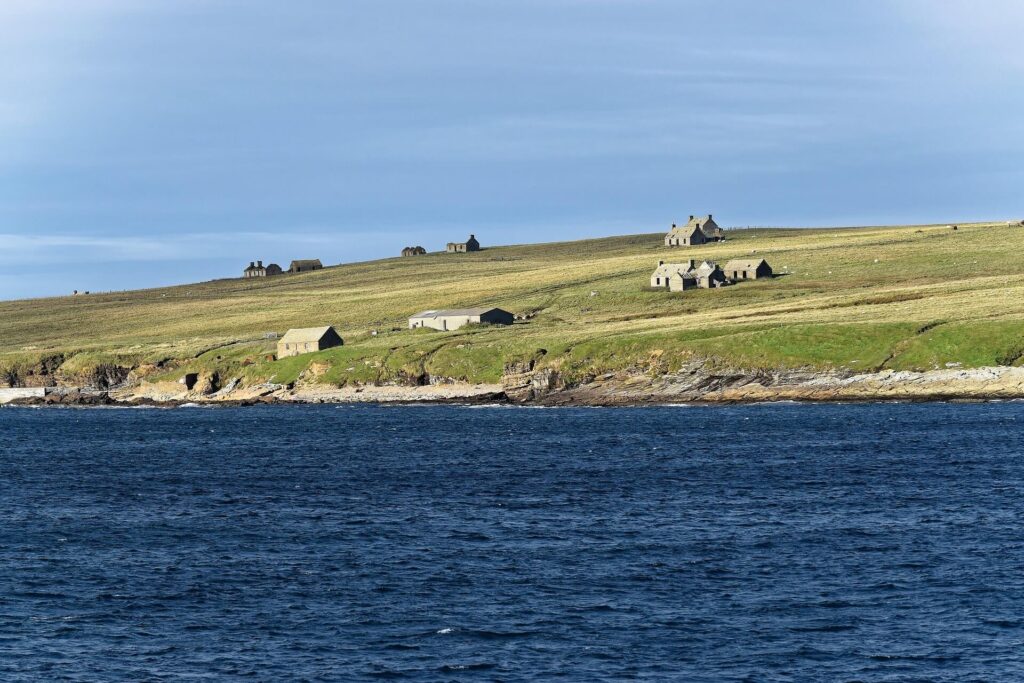
Scottish Seafood
Given that it is part of an island nation, no one should be surprised that seafood has long been integral to the Scottish diet. Much of the finest produce served across Europe has been fished in Scotland’s waters.
Visit Scotland’s fishing towns and villages across the country, from Arran to Oban, Anstruther to Orkney, and you’ll find that an extraordinary range of fresh seafood awaits you. If you want to cook for yourself, you’ll find opportunities to buy fresh catch directly from the fisherman. If you’re eating out, choice seafood is served in various eateries, from casual crab shacks to high-end oyster bars and restaurants.
But never worry if your stay in Scotland is limited to the country’s major cities. In both Glasgow and Edinburgh, you’ll find chefs working with the best ingredients, so you can try the crab, scallops, and creel-caught langoustines Scotland is famous for.

Haggis, Neeps, and Tatties
Haggis is a dish with a strange reputation. Internationally famous (infamous even?) for its ingredients, which some find off-putting, the Haggis is a much-loved delicacy in Scotland, where it maintains pride of place in the culture given its associations with the National Bard, Robert Burns.
Haggis is made with sheep’s offal (heart, liver, and lungs), onion, oats, suet, and spices. Traditionally this mix would have been minced and then served encased in the sheep’s stomach, though today, artificial casings tend to house the Haggis. Sound appealing? Don’t knock it until you’ve tried it!
This warming, nourishing dish has been prepared since ancient times, and in our experience, few who try it fail to enjoy it. But if the ingredients are a little too full-on for you, you’ll also easily find a delicious vegetarian version, with pulses and nuts replacing the meat.
If you happen to be in Scotland on 25 January, you’ll get to enjoy a Burns Supper. To celebrate the life and work of Scotland’s most famous poet (author of Auld Lang Syne, A Red, Red Rose, and Tam o’Shanter, among many), a celebration is held each year on his birthday.
On the evening of 25 January, across Scotland, people gather together to enjoy a meal of Haggis, Neeps, and Tatties (Haggis with mashed turnips and potatoes) and a dram of whisky. It is also the custom to recite the poet’s famous “Address to a Haggis” before the meal begins.
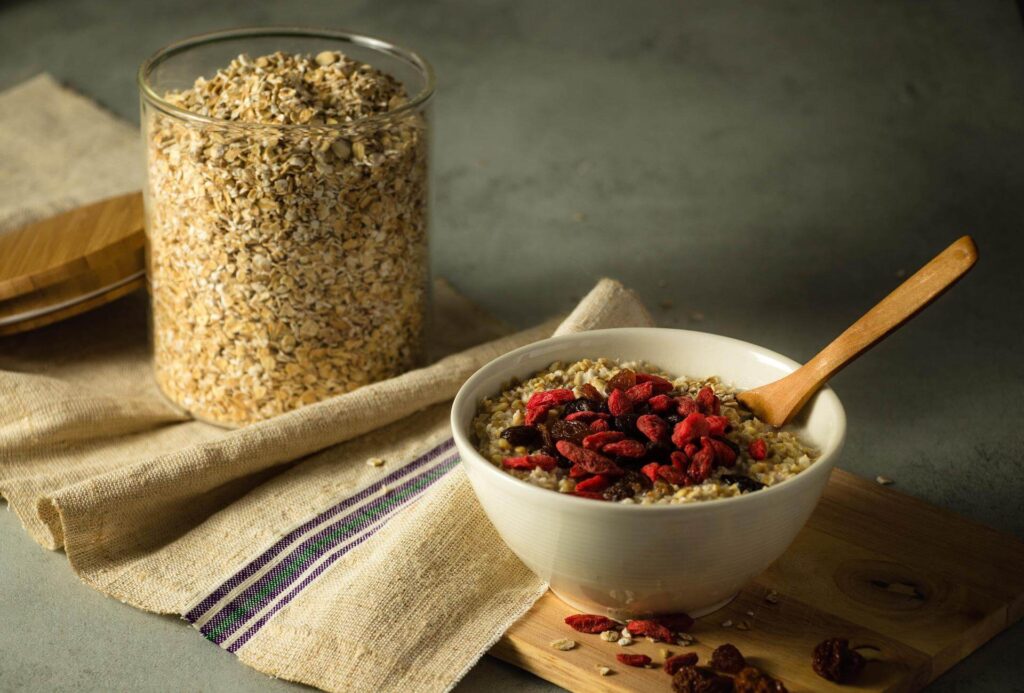
Scottish Oats and Porridge
In Samuel Johnson’s famous dictionary of 1755, the entry for oats reads:
“Oats. A grain, which in England is generally given to horses, but in Scotland supports the people.”
This cattish line was undoubtedly inspired by the ill-tempered rivalry between Scotland and England typical in Johnson’s era, but we do love oats! Perhaps it’s the weather, but Scotland loves using oats.
In Scotland, porridge is traditionally served savoury, with salt added to the mix rather than sugar or honey as is more commonplace today. Disregard porridge as a bland dish at your peril, the versatility of porridge is its strength!
This healthy breakfast option is ideal for kickstarting a day roaming through Scottish glens or hiking up Munros. Many celebrity chefs recognise the many benefits of eating porridge including one of Britain’s most famous campaigners for healthy food; Jamie Oliver who includes porridge recipes on his site.
Oats contain a soluble fiber called beta-glucan, which helps lower cholesterol. If you’ve been indulging in lots of fried breakfasts during your stay in Scotland, maybe it’s time to enjoy a bowl of the good stuff with some locally-produced Scottish honey or vitamin-rich fresh fruits which can be found in abundance in the summer and autumn months
Few can argue that the combination of fresh Scottish berries and oats isn’t a match made in heaven. If you’re out for lunch or dinner and would like to try a traditional Scottish dessert, you can order Cranachan.
Originally a celebration of harvest time, and most often the dessert of choice at Scottish weddings, Cranachan (meaning churn in Scottish Gaelic) is made using freshly picked Scottish raspberries, cream, oats, honey, and whisky. If you’d care to make your own Cranachan, try using this recipe from The Spruce Eats.
Cullen Skink
Don’t let the odd-sounding name sway you. If you see Cullen skink on a Scottish menu, you’re in for a treat. Cullen skink is a thick, smoky fish soup made with haddock, potato, and onion. Depending on the recipe, milk or cream is often added to give the soup its distinctive thickness.
Like much Scottish food, this dish is all about comfort. If you’ve spent a long day out exploring the Scottish Highlands, Cullen skink is just the thing to warm you up and provide some much-needed sustenance.
The name comes from skink, a Scots word meaning soup or essence, and Cullen, the name of the fishing village where it was first prepared.
Grouse
In a land as green and rich for farming as Scotland, top-class meat will often be the focus of main courses in restaurant dining. Scotland’s fine game provides a delicious option, in particular venison, pheasant, and grouse are of the highest quality in Scotland and definitely worth ordering, especially if these are flavours new to you.
Hunted in the wilds of Scotland between August and December, grouse has a distinctly gamey, rich flavour. The grouse season officially starts on the ‘Glorious Twelfth’ (12 August) so look out for it being celebrated on that day in particular.
Given that grouse are hunted wild, you don’t normally have to worry about the quality of your game – this is fresh, locally-sourced produce. As a small bird, one roasted grouse typically serves one person.
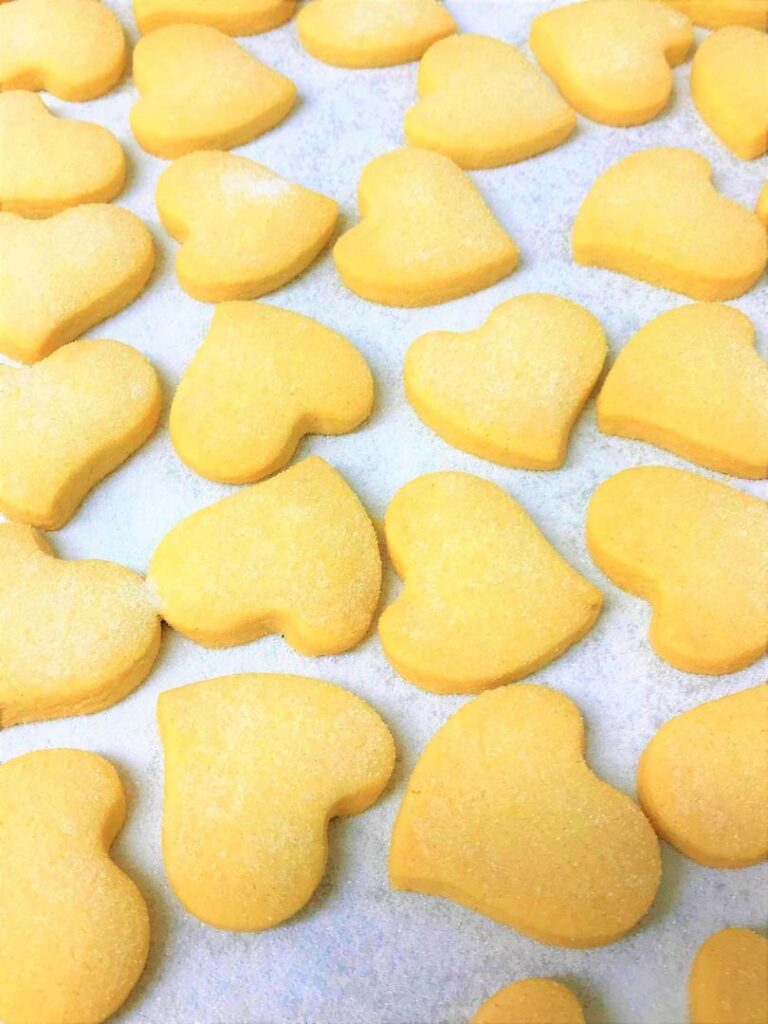
Shortbread: A Winter Favourite
If you’ve been around a Scottish household during Christmas, you’ve almost certainly tried shortbread. Shortbread is one of Scotland’s most recognisable international exports, often sold in richly decorated biscuit tins with tartan/plaid and classic Scottish motifs, such as stags and bagpipers.
These sweet, buttery biscuits are moreish, comforting, and nostalgia-inducing for many of us Scots – shortbread is one of the quintessential Scottish flavours. The origins of the iconic cookie are obscure, with some sources claiming that shortbread has been prepared in Scotland since the 12th century and other sources linking the dish’s classic recipe to Mary Queen of Scots!
We know for sure that the first printed recipe for shortbread dates to 1736 and came from a Scotswoman named Mrs McLintock. And from its earliest days, it was associated with holidays and celebrations, such as Christmas and New Year’s (known as Hogmanay in Scotland).
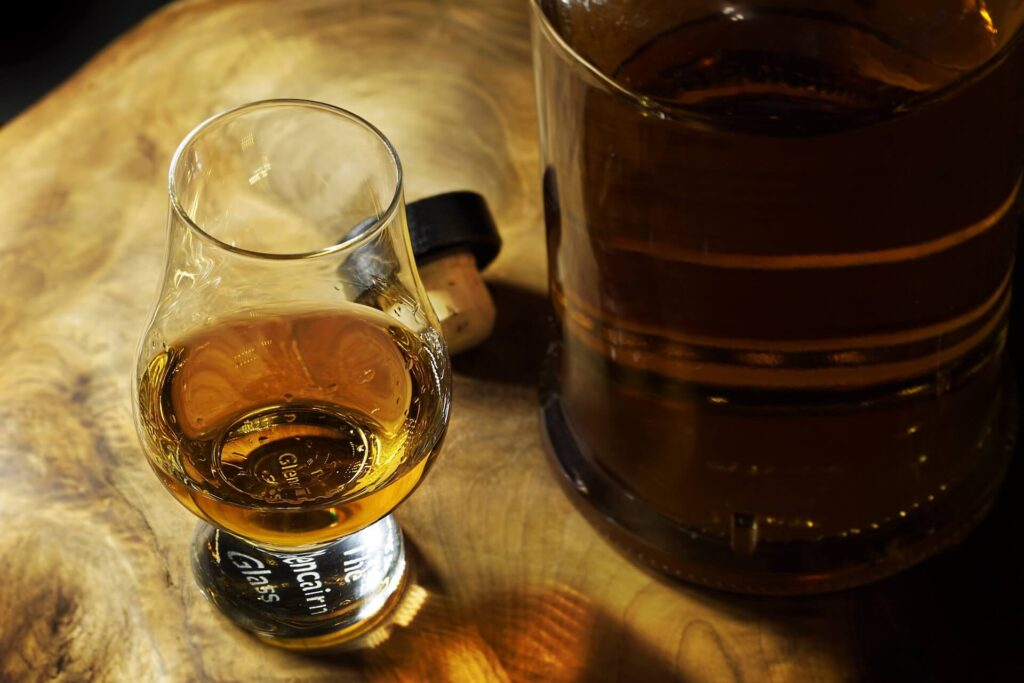
Scottish Whisky
Okay, so we might raise a few eyebrows with this last choice. Whisky may not be exactly what you first think of when someone mentions food culture, but whisky has such a central place in Scottish food culture that we had to include it.
Although Scotland is no longer short of contenders, with Japan’s arrival on the whisky scene over the past few decades and Ireland’s whiskey industry booming, the country remains the number one destination for whisky enthusiasts.
With 130 whisky distilleries, Scotland can boast of having the highest concentration of whisky producers anywhere globally. And of course, these whisky makers know a thing or two! The earliest record for the legal production of whisky goes back to 1494, and the country has been honing its craft ever since.
Scotland’s whisky production is divided into five regions: Lowlands, Highlands, Speyside, Islay, and Campbeltown. Each region’s whiskies possess distinctive flavour profiles, and, of course, each distillery has its own range of bottlings.
If you love whisky or are even curious about it, you’re going to have a mighty fine time in Scotland!
Discover Scottish Cuisine with Tasting Scotland…
This brings to a close our selection of just a sprinkling of Scottish delicacies. However, we could go on and on…and on…and on! The quality of Scotland’s products, its long, rich cuisine heritage, and its modern culinary and whisky innovations make it a fascinating foodie destination for food and whiskey lovers from across the world
If you love exploring the food culture of the places you travel to, please join Tasting Scotland on one of our guided food tours.
And if you have any questions at all, please get in touch.